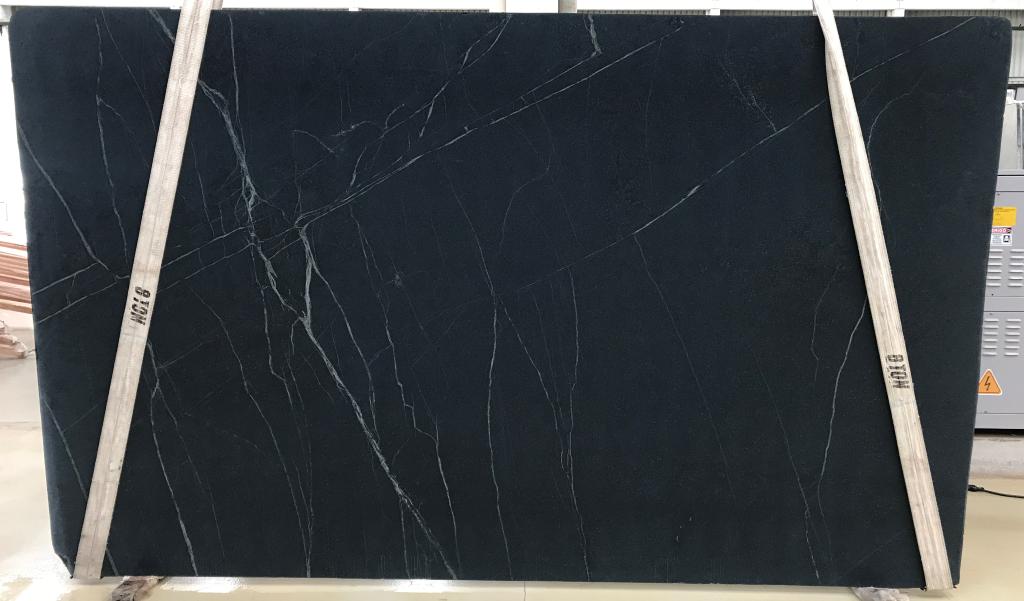
Soapstone countertops have become increasingly popular among homeowners looking for a natural stone that offers timeless beauty, durability, and low maintenance. One of the most common questions we hear from customers considering black soapstone countertops is:
“How do I care for my soapstone?”
The good news is that soapstone is one of the easiest natural stone surfaces to maintain. Unlike granite, marble, or quartzite, soapstone is naturally non-porous, meaning it does not require traditional sealing. Instead, most homeowners choose to enhance its appearance using either mineral oil or soapstone wax.
In this guide, we’ll explain the differences between wax and mineral oil, how each affects the appearance of soapstone, and which option is best for popular varieties like Black Soapstone, Juca Soapstone, and PA Soapstone.
Do Soapstone Countertops Need to Be Sealed?
No.
Soapstone is naturally non-porous and does not absorb liquids the way granite, marble, or other natural stones do. Because of this, traditional stone sealers are unnecessary.
Instead of sealing the stone, homeowners typically apply mineral oil or soapstone wax to enhance the color and create a more consistent patina.
These products are cosmetic treatments rather than protective sealers.
Why Wax Is Recommended for Black Soapstone
For darker varieties such as:
- Black Soapstone
- Juca Soapstone
- PA Soapstone
Most fabricators and stone professionals recommend using a paraffin and carnauba-based soapstone wax.
Benefits of Soapstone Wax
- Produces a rich, deep black appearance
- Creates an even, consistent patina
- Lasts significantly longer than mineral oil
- Requires less maintenance
- Provides a smooth, velvety matte finish
- Doesn’t leave a greasy residue
Because black soapstone already possesses a naturally dark charcoal appearance, wax enhances the stone quickly and evenly while reducing the frequency of reapplication.
Many fabricators throughout Pennsylvania, including Bucks County, Montgomery County, and Lancaster County, recommend soapstone wax as the preferred maintenance method.
Recommended Application Schedule
For most black soapstone countertops:
- Apply 1-2 coats after installation.
- Allow the wax to cure according to manufacturer instructions.
- Reapply every 3-6 months as needed.
What Does Mineral Oil Do to Soapstone?
Mineral oil is another popular option for caring for soapstone countertops.
Rather than sealing the stone, mineral oil temporarily darkens the surface and helps create a more uniform appearance while the natural patina develops.
Benefits of Mineral Oil
- Enhances the natural color of the stone
- Brings out deep charcoal, green, and gray tones
- Creates a traditional soapstone appearance
- Easy to apply
- Widely available and affordable
Many homeowners appreciate the natural evolution of soapstone and use mineral oil to accelerate the darkening process.
The Drawbacks of Mineral Oil
While mineral oil works well, it requires more frequent maintenance.
Mineral Oil Considerations
- May need daily application during the first week
- Requires reapplication every few weeks or months
- Can appear blotchy while the patina develops
- Wears away more quickly around cooktops and sinks
- Produces a slightly shinier appearance
For homeowners seeking a lower-maintenance solution, wax is generally the better choice.
Why Wax Performs Better on PA Soapstone
PA Soapstone and other black soapstone varieties have several characteristics that make wax especially effective:
Characteristics of PA Soapstone
- Naturally dark charcoal coloration
- High talc content
- Fine, tight grain structure
- Minimal absorption of oils
Because the stone doesn’t readily absorb mineral oil, wax tends to create a more consistent appearance and longer-lasting finish.
This is why many installers recommend soapstone wax as the primary treatment for PA Soapstone countertops.
Wax vs. Mineral Oil: Which Should You Choose?
The best choice depends on your maintenance preferences and desired appearance.
Choose Mineral Oil If:
- You enjoy the traditional soapstone aging process
- You don’t mind more frequent maintenance
- You want the stone to gradually develop its patina
- You prefer a slightly richer, wetter appearance
Choose Soapstone Wax If:
- You want a deeper black color immediately
- You prefer less maintenance
- You want a more uniform appearance
- You like a matte, velvety finish
- Your installer originally treated the stone with wax
For most black soapstone countertops, wax is the option we recommend most often.
Common Soapstone Maintenance Tips
Keeping soapstone beautiful is simple.
Best Practices
✔ Clean daily with mild soap and water
✔ Wipe spills promptly
✔ Reapply wax every 3-6 months if desired
✔ Use cutting boards to minimize scratches
✔ Embrace the natural patina process
Avoid
✘ Harsh chemical cleaners
✘ Abrasive scrubbing pads
✘ Acidic stone cleaners designed for marble
✘ Expecting oil or wax to prevent scratches
Because soapstone contains talc, minor scratches can occur over time. Fortunately, many surface scratches can be blended out easily with mineral oil, wax, or light sanding.
Frequently Asked Questions About Soapstone Countertops
Does soapstone need sealing?
No. Soapstone is naturally non-porous and does not require traditional sealers.
Is wax better than mineral oil for soapstone?
For black soapstone varieties, most professionals recommend wax because it lasts longer and provides a more consistent appearance.
How often should I wax my soapstone countertops?
Most homeowners apply soapstone wax every 3-6 months.
Can I leave soapstone untreated?
Yes. Soapstone will naturally darken over time even without oil or wax. However, the patina may develop unevenly during the first year.
Does mineral oil protect soapstone from scratches?
No. Mineral oil and wax are cosmetic treatments only. They enhance color and appearance but do not prevent scratches.
Final Thoughts
Soapstone remains one of the most beautiful and low-maintenance natural stone countertop materials available. Whether you choose mineral oil or soapstone wax, both options enhance the stone’s natural character while allowing its unique patina to develop over time.
For most black soapstone varieties—including Black Soapstone, Juca Soapstone, and PA Soapstone—we recommend a quality paraffin and carnauba-based wax for the deepest color, longest-lasting finish, and easiest maintenance.
If you’re considering soapstone for your next kitchen remodel, our team can help you select the right slab and provide expert care recommendations to keep it looking beautiful for years to come.